
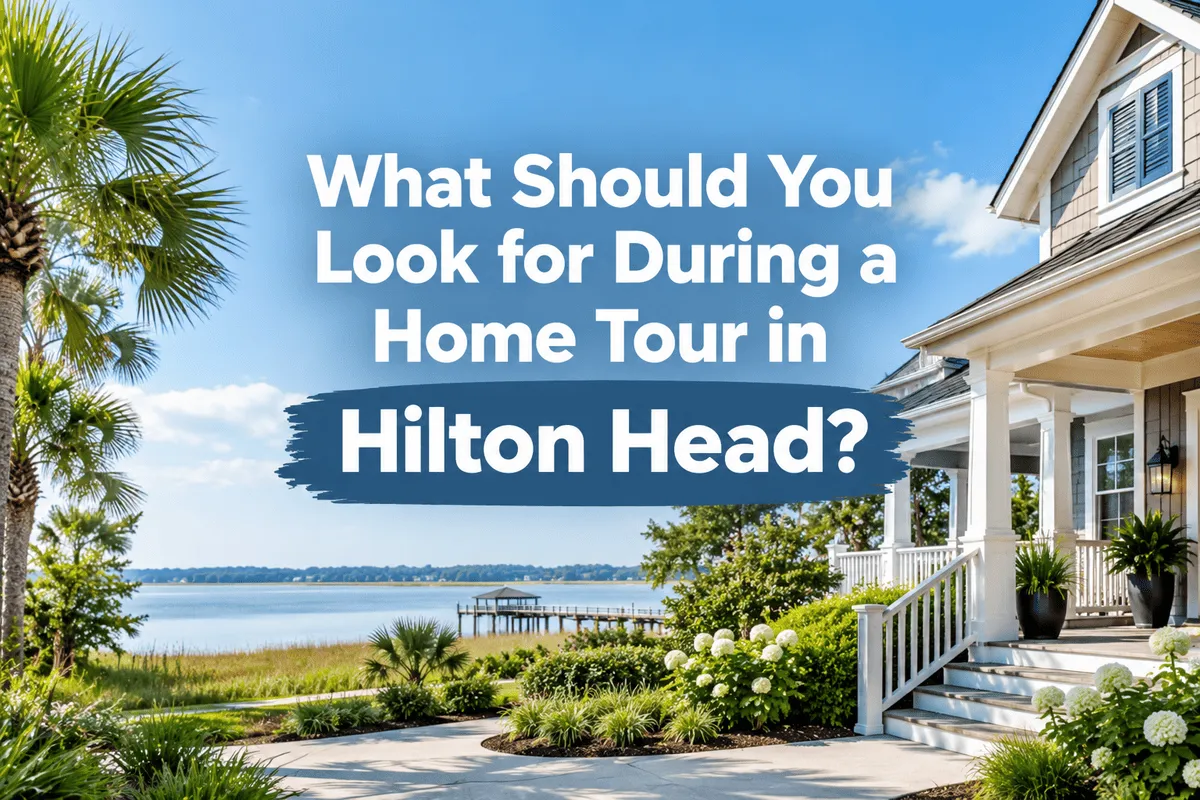
What Should You Look for During a Home Tour in Hilton Head?
A home tour in Hilton Head, South Carolina, should involve more than checking the layout and appearance of a property. Buyers should look at the home's condition, outdoor spaces, maintenance needs, location, and potential ownership costs before deciding whether it meets their needs.
Hilton Head Island's coastal setting makes it especially important to review exterior condition, drainage, roof maintenance, and any signs of moisture. Buyers should also consider how the property fits their daily routine, whether they plan to live there full-time, use it as a second home, or explore a permitted rental arrangement.
Look Beyond the First Impression
Fresh paint, attractive finishes, and tidy rooms can make a home appealing, but they do not reveal everything about its condition. During a tour, pay attention to musty smells, water stains, uneven flooring, visible cracks, and windows or doors that do not operate properly.
Check the visible condition of major systems, including heating and cooling equipment, plumbing fixtures, and electrical components. Ask about the age of the roof and major appliances, along with available repair records. A visual tour cannot replace a professional home inspection, but it can help identify areas that need closer review.
Coastal Conditions Deserve Attention
Hilton Head Island's coastal environment makes exterior upkeep an important part of evaluating a property. Humidity, moisture, and salt exposure can affect building materials and outdoor fixtures over time.
Look at the condition of exterior paint, railings, decks, windows, doors, and visible metal fittings. Check for signs of poor drainage or standing water around the property. Buyers should also ask about past water intrusion and review any relevant inspection or repair records.
For properties in low-lying areas, investigate applicable flood risks and insurance requirements using property-specific information. Do not assume that every home on the island has the same exposure or insurance needs.
Check How the Property Uses Its Outdoor Space
Outdoor areas can be an important part of a home's everyday use on Hilton Head Island. Review decks, patios, balconies, driveways, landscaping, and storage areas. Look for loose railings, damaged boards, poor drainage, and signs that exterior features need repair.
If the property is part of a homeowners association or condominium community, ask about maintenance responsibilities, fees, restrictions, and any planned assessments. These details can affect both the cost of ownership and how the property may be used.
Review the Location Alongside the Home
A home's surroundings can affect convenience, privacy, and daily routines. Hilton Head buyers may want to consider access to beaches, shops, restaurants, roads, and recreational areas. The Sea Pines Forest Preserve is one local natural area that buyers may wish to explore when considering the island's outdoor amenities.
Noise, traffic, parking, and seasonal activity can vary by location. Visit the property at a suitable time, check the surrounding streets, and consider how the area may fit your needs throughout the year.
Buyers comparing Hilton Head with Bluffton or Beaufort should evaluate commute requirements, property type, local amenities, and ongoing costs rather than focusing only on the home's appearance.
Ask About the Costs That Are Not Visible
Some important ownership expenses cannot be assessed during a walkthrough. Ask about property taxes, homeowners insurance, utility costs, routine maintenance, and any applicable community or association fees.
For coastal properties, confirm whether flood insurance is required by the lender or advisable based on the property's risk. Review the home's insurance history and available property disclosures where applicable. Buyers should verify these details with the relevant professionals rather than rely on general estimates.
A REALTOR can help organize property questions and explain the next steps in the purchase process. Insurance professionals, inspectors, and other qualified advisers can address issues that require specialized assessment.
Match the Home to Your Plans
The right home tour checklist depends on how you intend to use the property. A full-time residence may need practical storage, comfortable living areas, and convenient access to everyday services. A second home may require a plan for maintenance and security while the property is unoccupied.
If you are considering a rental property, verify local requirements, community restrictions, and any applicable rental rules before assuming that short-term or long-term renting is permitted.
Buyers exploring Port Royal or St. Helena Island may also have different priorities based on the property's setting and intended use. Those considering Ridgeland should make similar comparisons between property condition, location, access, and ongoing ownership responsibilities.
Blake Gruel can be a point of contact for buyers exploring Hilton Head and these surrounding Lowcountry communities. A Best REALTOR or Top REALTOR should help buyers ask informed questions and evaluate properties based on their actual features, not simply their presentation.
A Practical Way to Finish the Tour
Before leaving, take notes and photos where permitted, record questions that need follow-up, and separate cosmetic preferences from potential repair concerns. Compare properties using the same basic criteria so that an attractive first impression does not outweigh important practical details.
If you are seriously considering a home, review the seller's disclosures, arrange a professional inspection, and confirm costs and restrictions before moving forward. A careful tour helps you decide which properties deserve closer attention, but further checks are essential before completing a purchase.
FAQs
What is the most important thing to check during a home tour?
Review the property's condition, signs of moisture, major systems, layout, and likely ownership costs.
Should I check for flood risk when buying in Hilton Head?
Yes. Review property-specific flood information and confirm insurance needs with qualified professionals.
Is a home tour enough to identify major problems?
No. A professional home inspection can assess areas that may not be visible during a walkthrough.
What should I ask about a property in an HOA community?
Ask about fees, maintenance responsibilities, restrictions, and any planned assessments.
Can a REALTOR help during a home tour?
Yes. A REALTOR can help organize questions, assess property features, and guide you through the buying process.